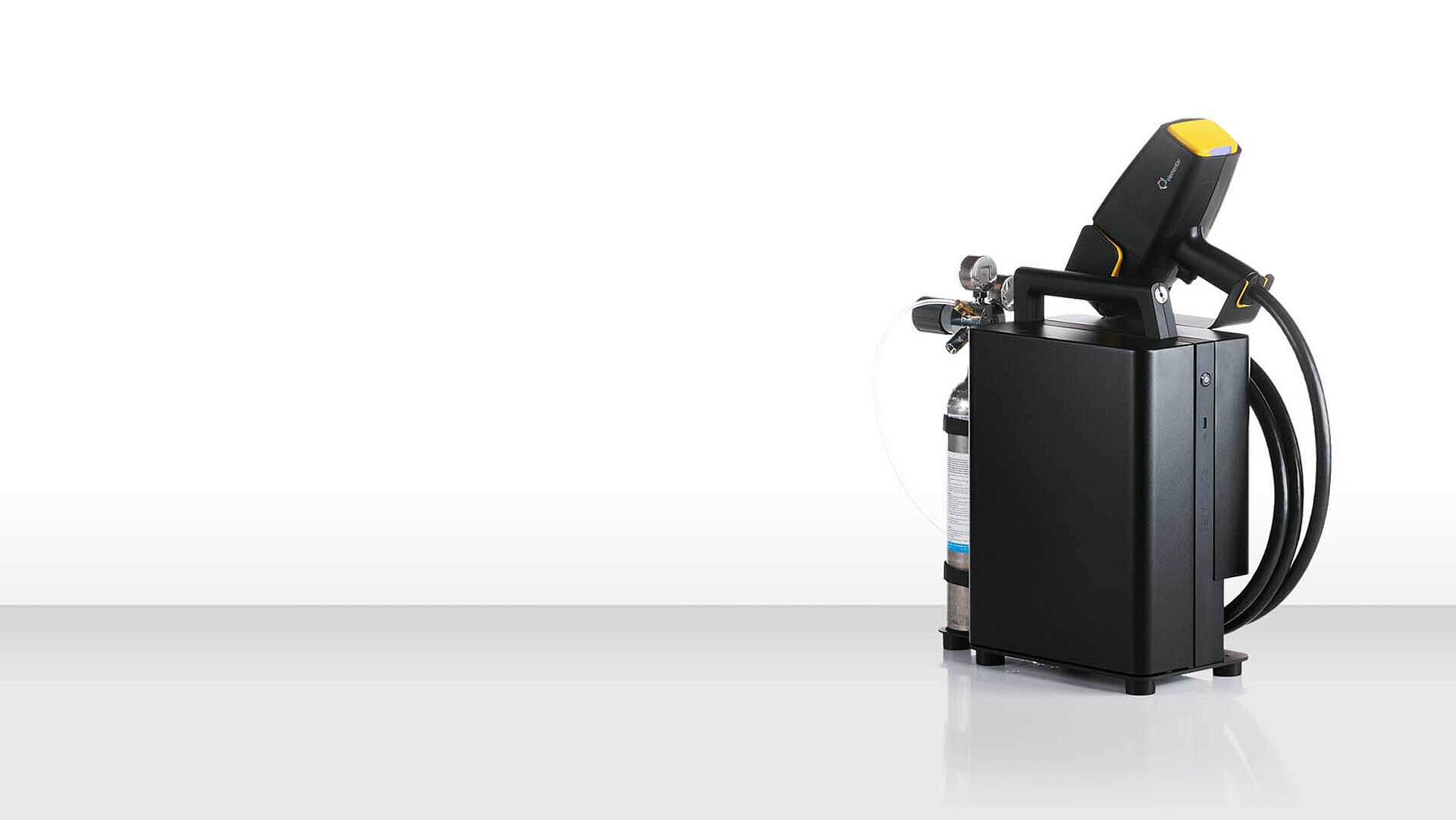
High performance carbon isotope analysis of LC separated compounds
High performance carbon isotope analysis of LC separated compounds
The LiquiFace is the ideal solution for research applications requiring high-performance carbon isotope analysis of dissolved organic compounds. LiquiFace offers significant ben...
广西科米瑞实验仪器设备有限公司提供 Elementar High performance carbon isotope analysis of LC separated compounds 产品资料、选型咨询、供货报价和售后服务支持,价格面议。
← 返回产品列表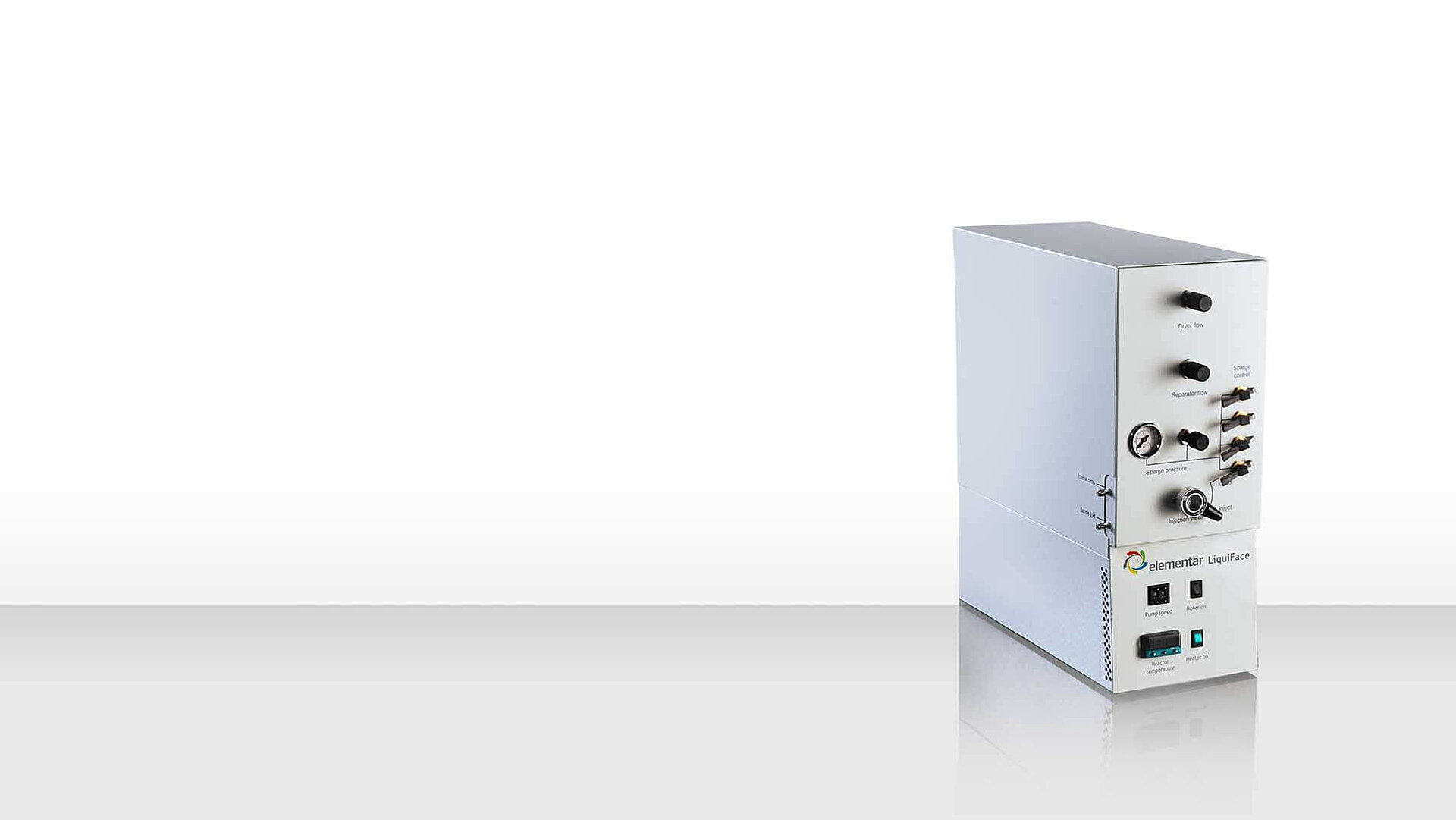
说明
High performance carbon isotope analysis of LC separated compounds The LiquiFace is the ideal solution for research applications requiring high-performance carbon isotope analysis of dissolved organic compounds. LiquiFace offers significant benefits for versatility and ease of use in liquid chromatography isotope ratio mass spectrometry (LC-IRMS). Compound-specific isotope analysis of aqueous samples by liquid chromatography is highly advantageous for compound classes that are thermolabile or require derivatization making GC-based separation less attractive. Polar compounds such as carbohydrates, amino acids, alcohols, organic acids, and peptides make ideal candidates for LC-IRMS, and the technique has been employed to great success in food and biogeochemistry applications. LiquiFace is an interface for the LC system to provide quantitative online conversion of the carbon in the separated organic compounds to CO 2 , followed by extraction from the aqueous phase into the gaseous phase and subsequent δ 13 C analysis by the IRMS system. The instrument uses a “wet-chemical oxidation” which delivers excellent isotopic precision, accuracy, and linearity. This level of performance means that LiquiFace covers a range of sample types with a complete independence upon sample concentration, making your analysis even simpler. achieved by optimized mixing of reagents and low-band spreading oxidation through the micro-reactor with high efficiency membrane gas exchanger High system uptime and sample throughput due to inherent advantages in our IRMS systems such as the highly robust, thorium dioxide-coated ionization filament and the stainless-steel analyzer housing which are substantially more robust than other instruments thanks to the use of inexpensive peristaltic pumps for a steady, precise flow of reaction reagents Maximum flexibility in your LC separation and method development thanks to the freedom to choose the LC system which suits your application best Precise and accurate δ 13 C analysis for all compound classes lsotopic precision, accuracy, and linearity performance is exceptional with the LiquiFace system due to the optimized mixing of reagents with the LC effluent prior to oxidation. Real-time, fractionation-free oxidation through the low temperature micro reactor ensures quantitative conversion of organic carbon to CO 2 without any compromise in peak chromatography. So, no matter which compound class your research encompasses, you can be sure that the LiquiFace will deliver exceptional performance. “Bulk” δ 13 C isotope analysis of aqueous samples (e.g. TOC) can be performed using the in-line direct injection valve and changeable 25 μl sample loop. High system uptime and sample throughput thanks to robust components Performing LC-IRMS analysis with the LiquiFace delivers superior system uptime and sample throughput compared to other wet-chemical systems. When coupled to an isoprime precisION IRMS system from Elementar, the system has an unparalleled tolerance for excess oxygen loads, a common problem with LC-IRMS systems. With the use of sodium persulfate as oxidation agent, a large oxygen excess can enter the IRMS and damage the ionization filament of conventional IRMS systems. The unique thorium dioxide coating of the isoprime precisION ionization filament results a lifetime of years rather than months. This resistance to oxygen means that an on-line reduction furnace to remove excess oxygen is not required, reducing consumables and possible peak broadening. Also, the use of a stainless steel rather than aluminum analyzer results in significantly lower and reliable water backgrounds in the vacuum chamber, another inherent problem for LC-IRMS systems. This reduces the chance of CO 2 protonation in the ion source which seriously compromises δ 13 C isotope analysis. Low cost of ownership thanks to robust, cost-efficient components Unlike other LC interfaces that use costly LC pumping channels to deliver reagents to the oxidation reactor, LiquiFace uses peristaltic pumps to deliver the reagents in a steady, precise flow. These on-board peristaltic pumps are easy to maintain and repair in comparison to LC pumps, offering a low cost of ownership. For maximum flexibility, the peristaltic pumps can pump up to four channels if additional reagents are required. The LiquiFace is designed to interface with any high performance liquid chromatograph (HPLC) or ion chromatograph (IC) system, giving you maximum flexibility in choice of your LC separation system and allowing you to choose a suitable setup for method development. The connection of the LiquiFace to any standard LC or IC pumping system is realized by using finger-tight PEEK TM union connections. The LiquiFace can be connected to a HPLC unit to receive a sample liquid stream for conversion to CO 2 . Alternatively, the internal pump on the LiquiFace can be used to carry out direct injection of samples. Peristaltic pumps in the LiquiFace are used to deliver and mix reagents with the separated compounds in the LC eluent. Direct injection to the LiquiFace means that users can perform both bulk isotopic analysis and compound-specific analysis using the same system. The LiquiFace has been completely designed with chromatography in mind. Once your sample is separated by the LC column, then there is minimal detrimental effect of the interface on the chromatography. Therefore, for particularly complex separations the LiquiFace can be relied up on to maintain the chromatographic integrity of the separated compounds through to the isotope ratio mass spectrometer. Fractionation-free sample conversion Conversion of the aqueous eluent to sample gas is performed in a low temperature reactor at up to 100 °C. Low temperature conversion of the eluent allows our interface to analyze thermolabile samples which will disintegrate at elevated temperatures. The mixture of eluent and sample gases, generated in the LiquiFace heater, are cooled to room temperature and then separated in a gas exchanger with the remaining eluent going to a waste line and the sample gas passing through a water removal membrane in to the IRMS. For detection of economically motivated adulteration of honey with C3 sugars, add the Agilent 1260 Infinity LC system configured for analysis of constituent glucose, fructose, and disaccharides. The Agilent 1260 Refractive Index Detector can be used for simultaneous quantitative analysis as well as isotopic ratio.
相关产品
提交需求
请填写必填信息,我们将在工作日尽快回复。